 ↗
A Table at the Port
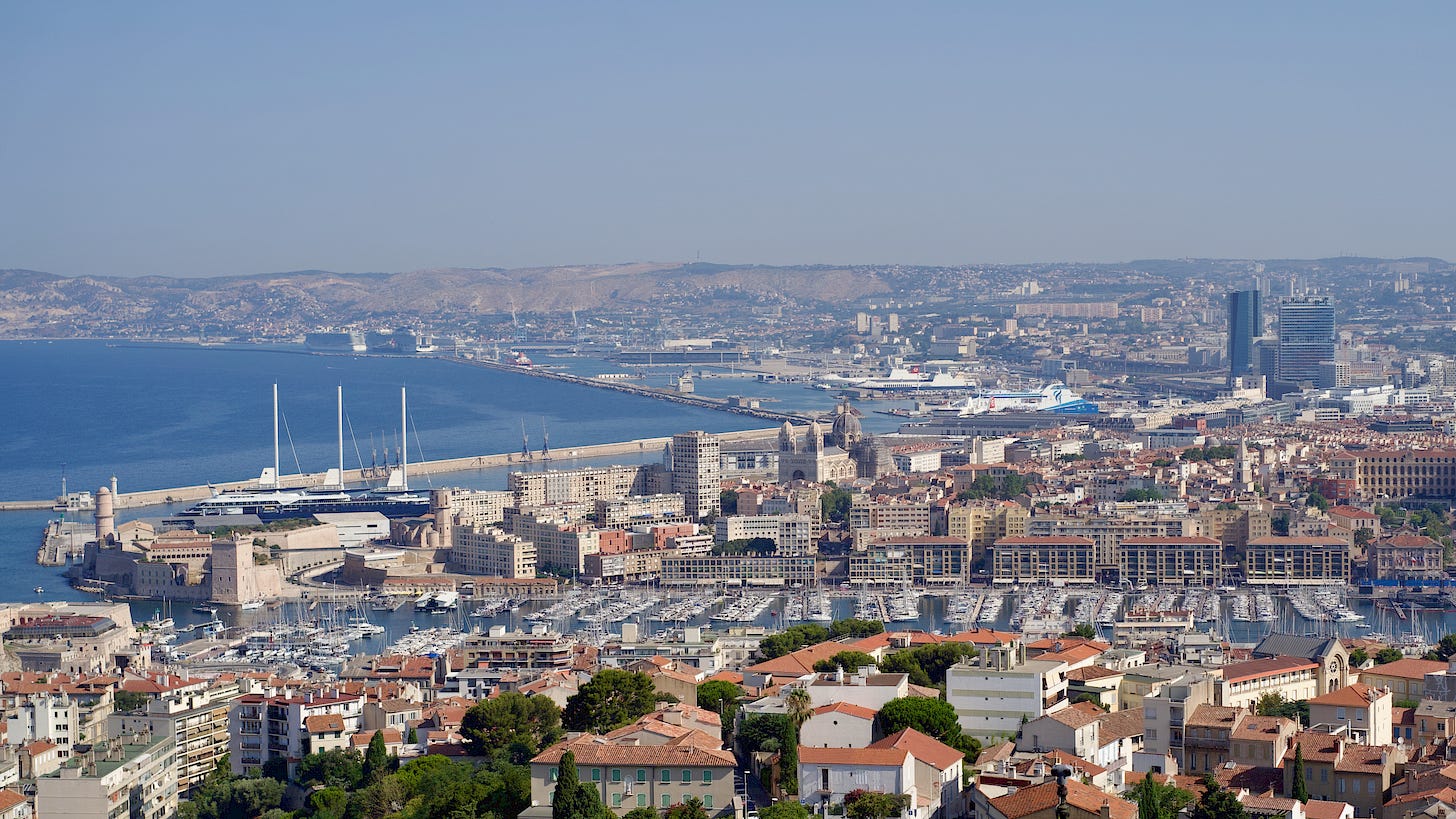
A bowl of bouillabaisse in Marseille becomes an encounter with another way of living. A waiter’s explanation, Sharon’s hands, and the knowledge carried through an everyday meal matter as much as the destination.
FOLLOW YOUR CURIOSITY · 32 POSTS
Architecture, literature, and the long conversation between past and present.
Search within this topic ↗↗A bowl of bouillabaisse in Marseille becomes an encounter with another way of living. A waiter’s explanation, Sharon’s hands, and the knowledge carried through an everyday meal matter as much as the destination.
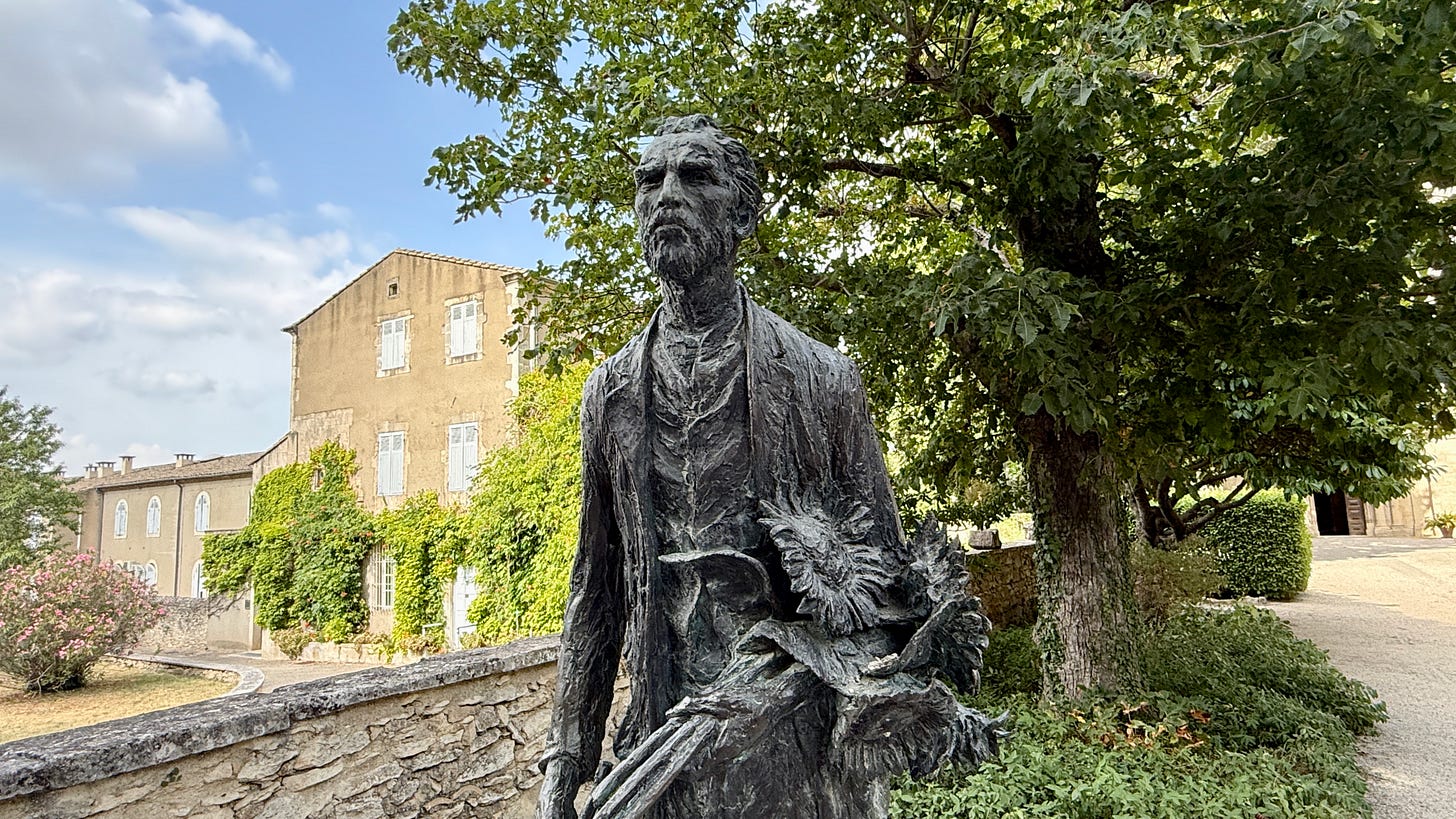 ↗
In the reconstructed bedroom at Saint-Paul-de-Mausole, a quiet window onto the garden creates an unexpected sense of spaciousness. A visiting tour group changes that feeling without changing the room.
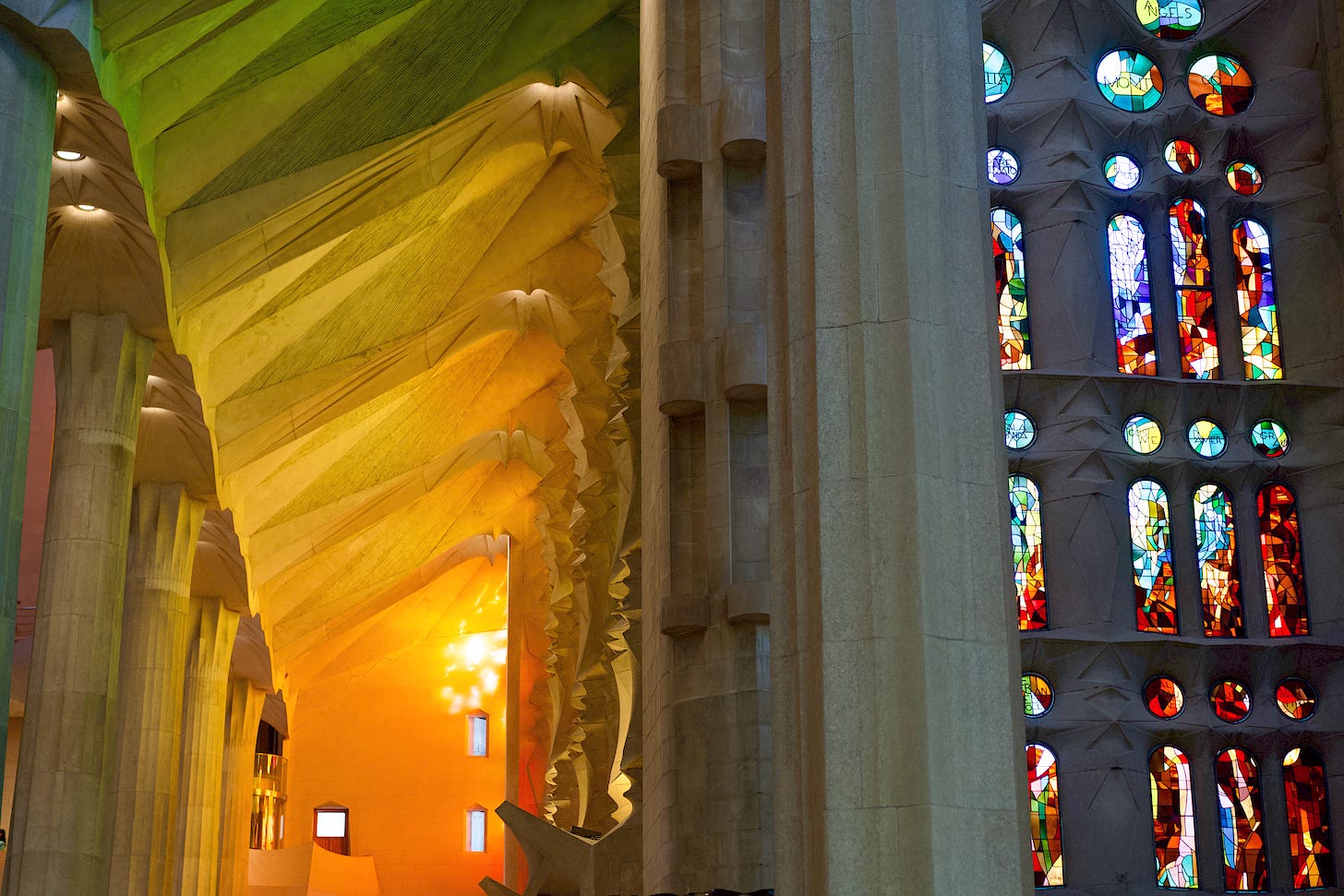 ↗
A road trip through France begins in Barcelona, inspired by the Tour de France’s Grand Départ. The changed route brings practical complications and a more meaningful kind of preparation.
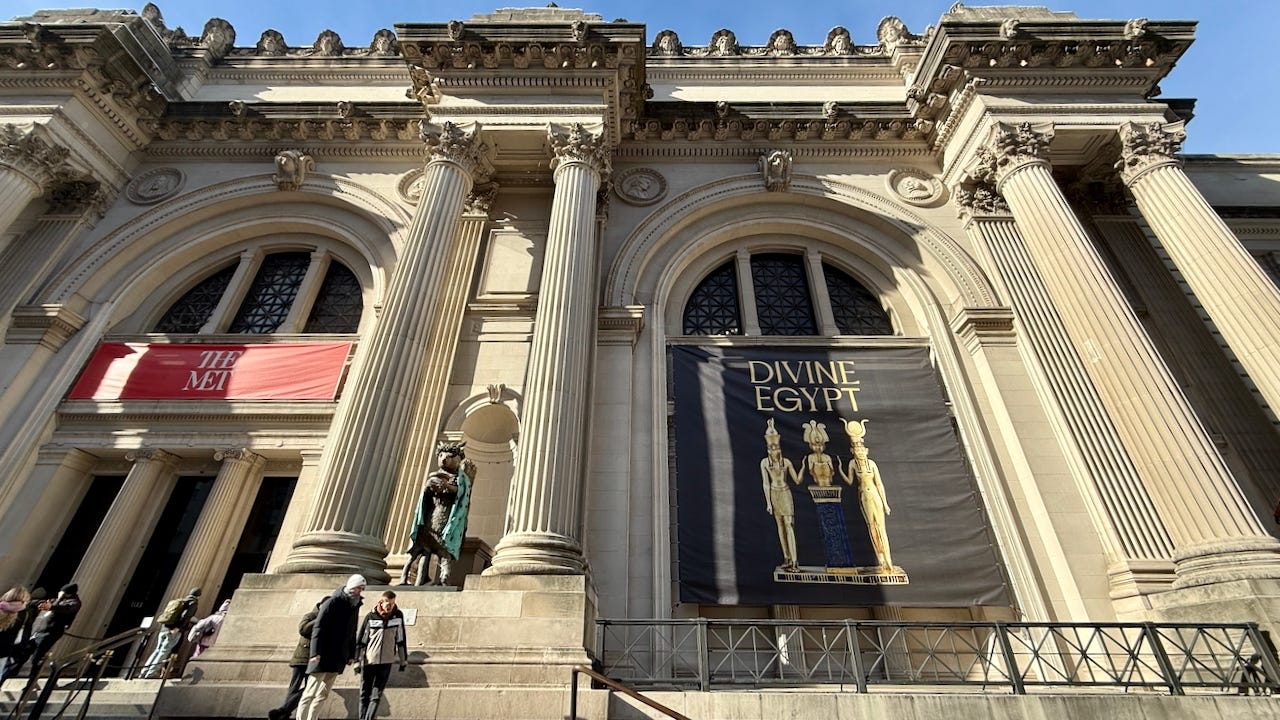 ↗
Egypt and the Met’s Divine Egypt exhibition lead to a question about what allows human work to endure. Beyond a monument’s scale are the roles, practices, and recurring acts that carry meaning through time.
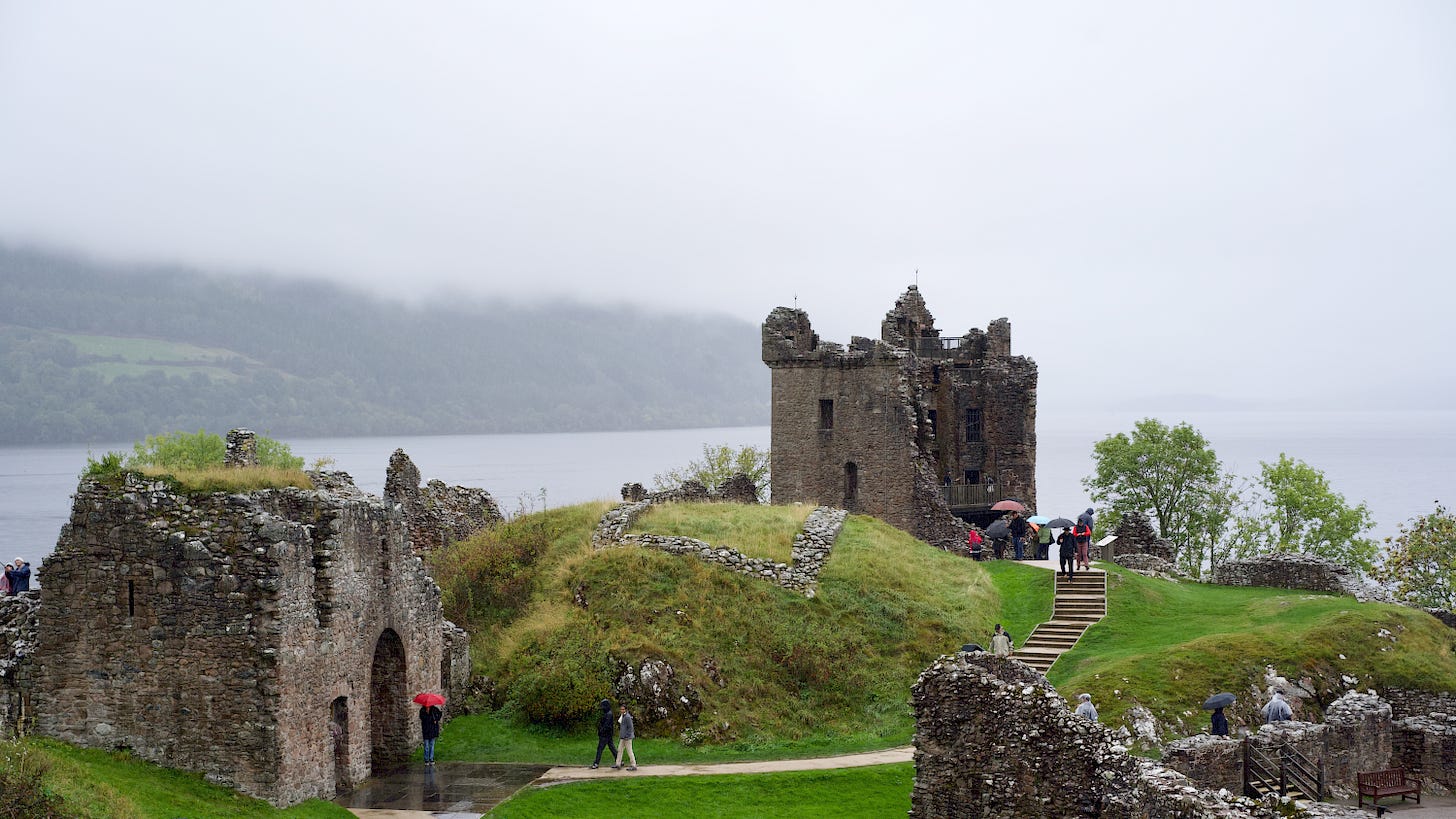 ↗
A memory of Urquhart Castle meets the story of Gatsby. Kefei considers the strain of a self built around performance, the wish to reverse time, and ambition that has lost its grounding.
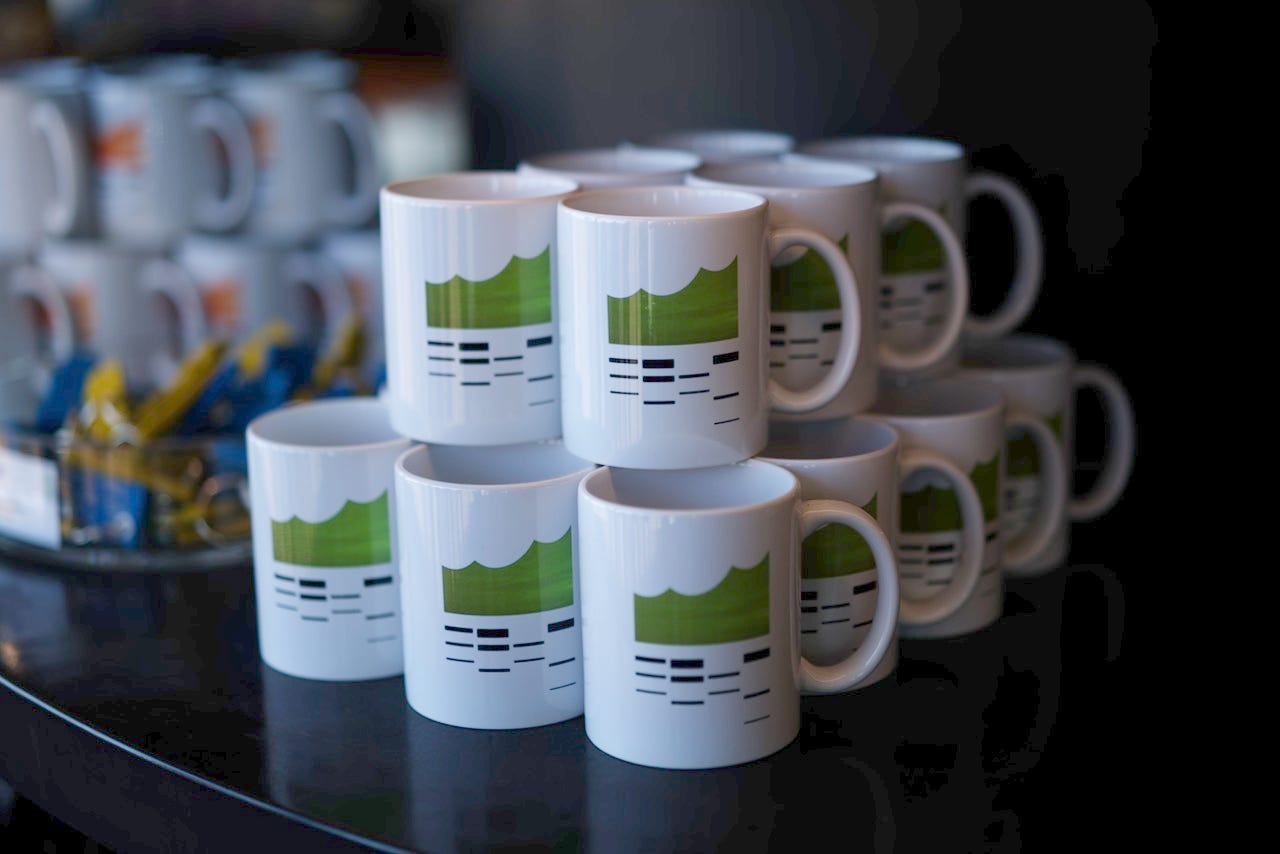 ↗
Reading Thomas Mann’s Buddenbrooks brings up a concern about ritual that has lost its vitality. A personalized mug for a university reunion gives the question an everyday form.
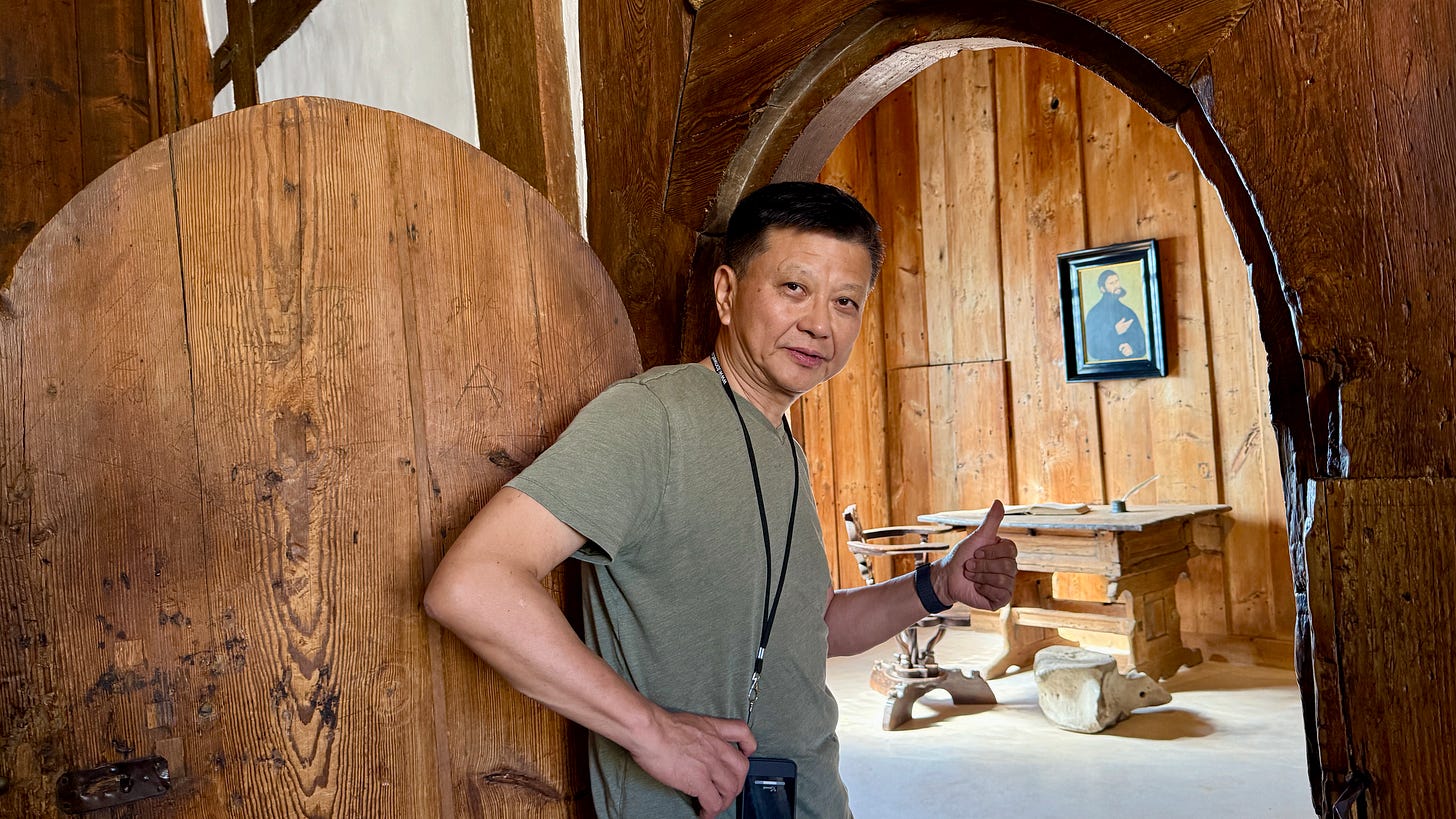 ↗
A conversation with a friend prompts Kefei to revisit eight days of travel through eastern Germany. The resulting account follows places, music, history, and the thoughts that become clearer after a journey.
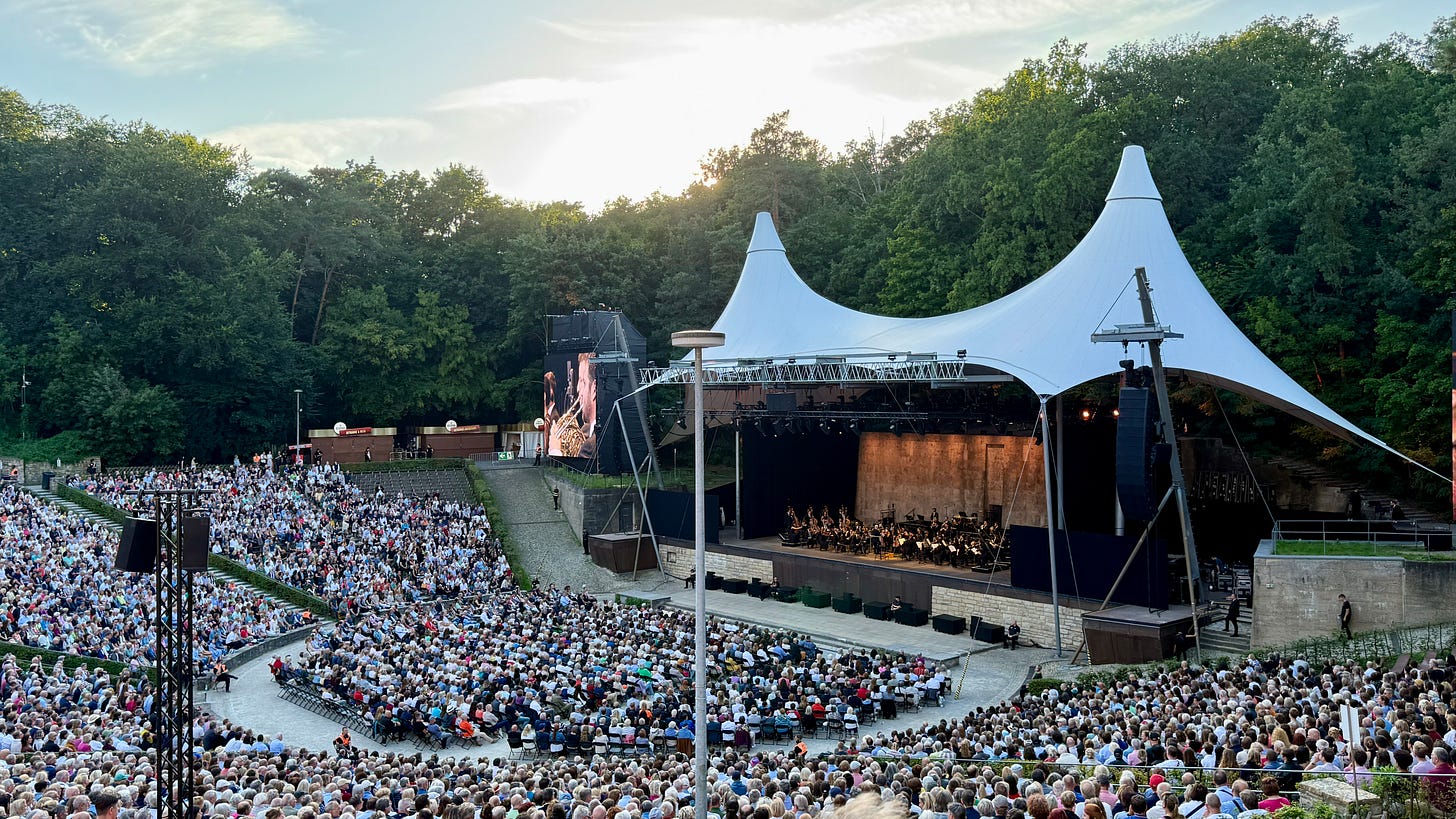 ↗
Kefei arranges a journey through Germany as four musical movements, from an outdoor concert in Berlin to opera in Bayreuth, an intimate piano performance in Bonn, and a return to Koblenz. Music provides a language for the trip’s changing emotional pace.
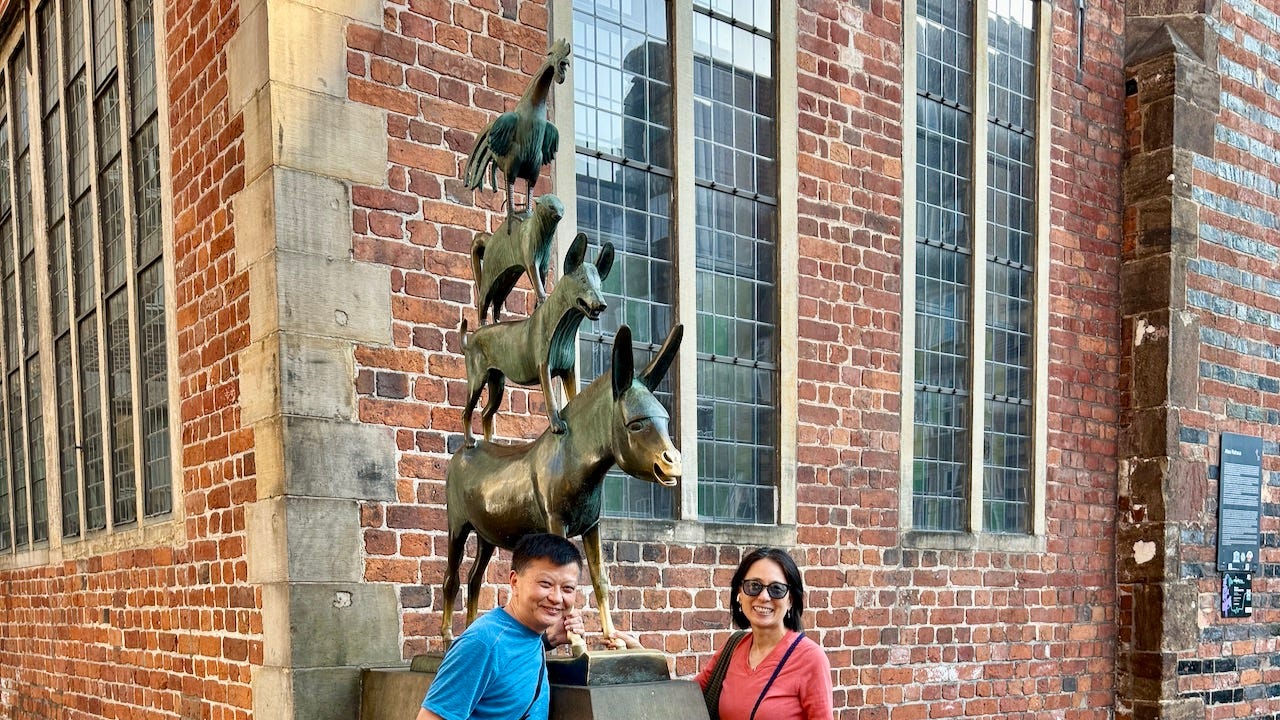 ↗
The fairy tale of the Bremen Town Musicians gives Kefei a way to reflect on second chances and belonging. Its aging animals discover companionship before reaching their intended destination, a story that resonates during his anniversary journey through northern Germany.
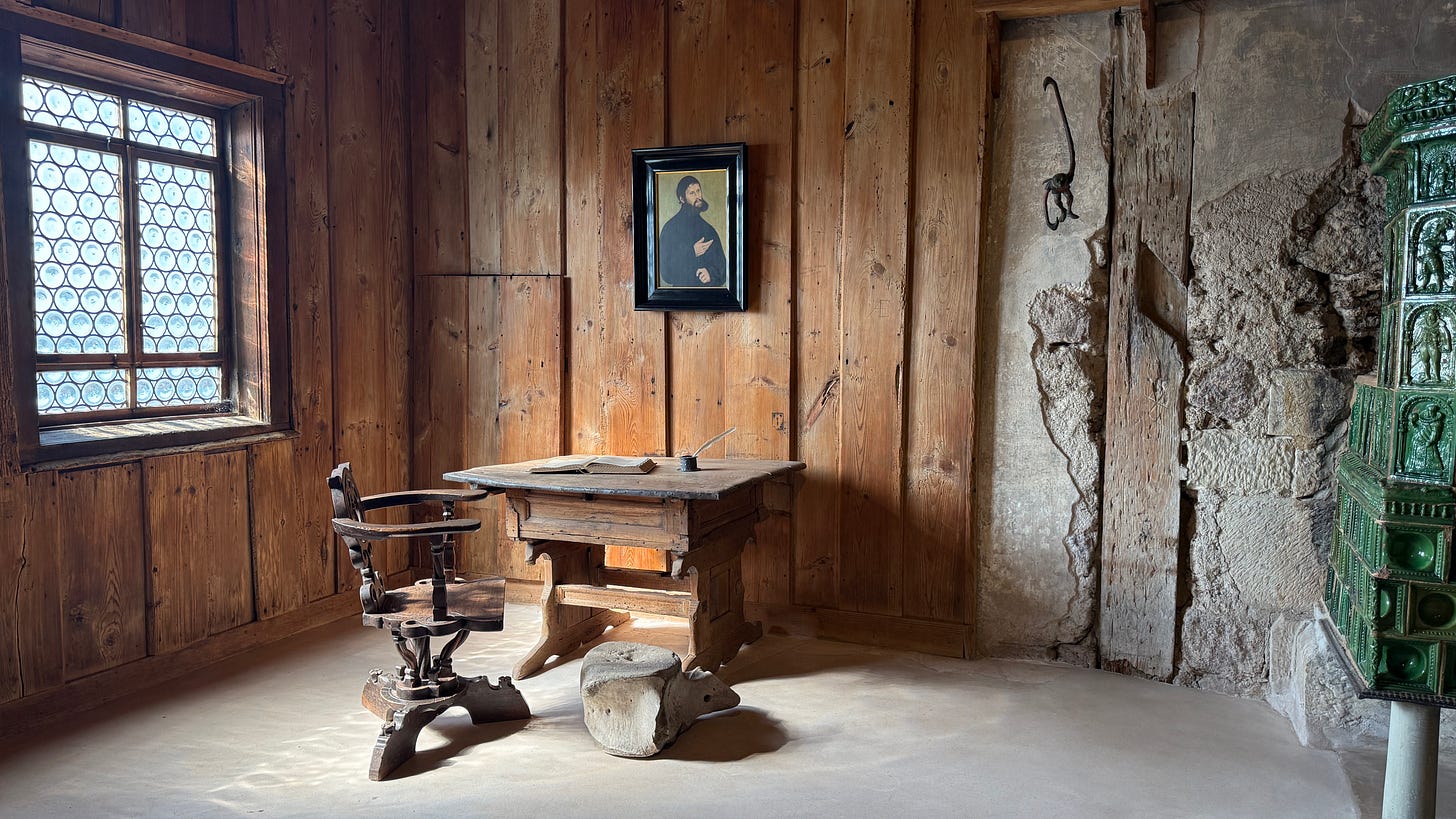 ↗
Eight days of travel become a series of imagined conversations with figures including Luther, Gropius, Wagner, Bach, and Goethe. Kefei explicitly presents these AI-assisted passages as literary reflections, using the journey’s places to explore courage, clarity, silence, and change.
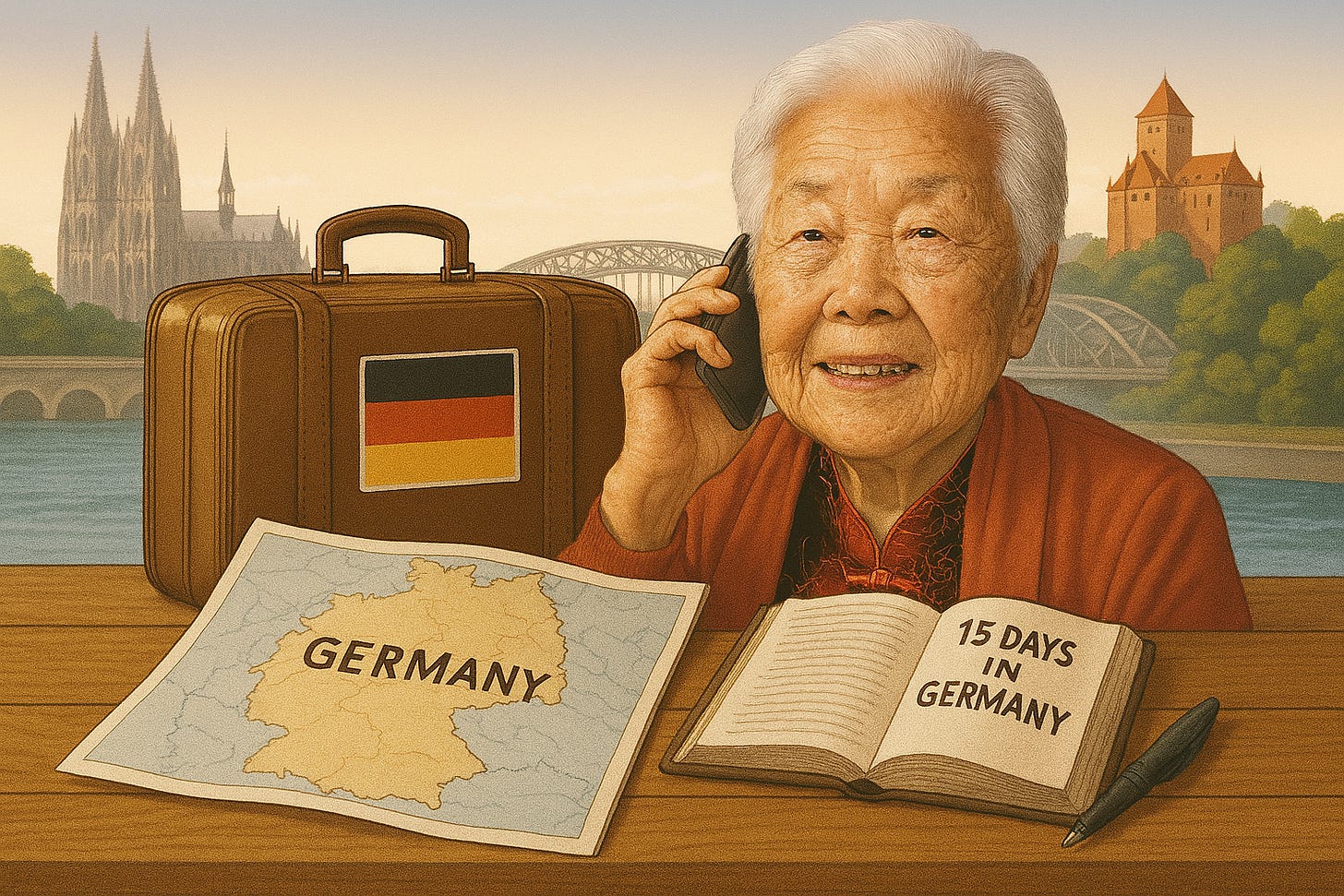 ↗
Before a fifteen-day journey through Germany, Kefei tells his mother in Shanghai about the trip and recalls how her wish to keep him nearby led him to Tongji University. Studying German there unexpectedly opened a wider cultural horizon.
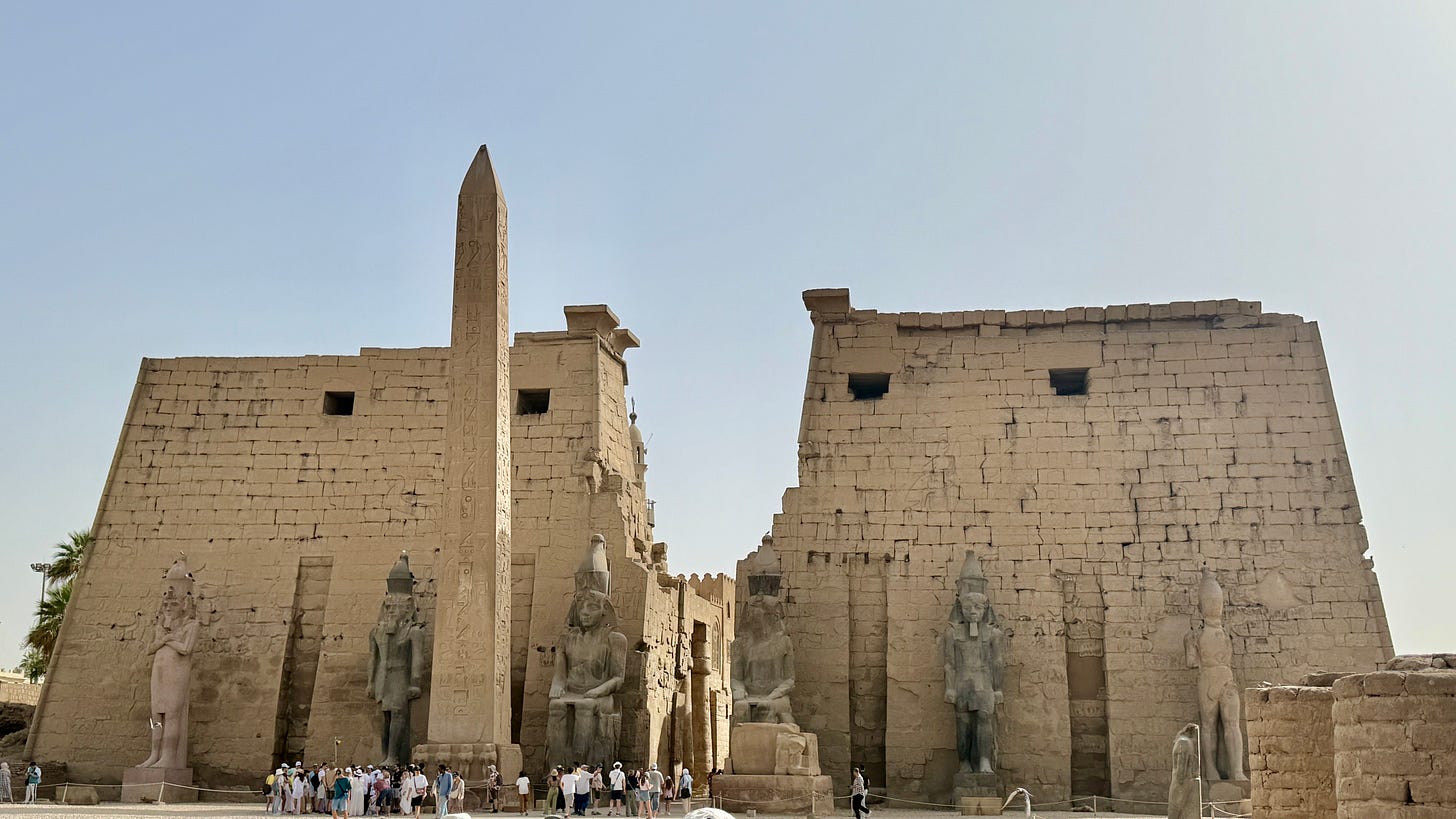 ↗
Exhaustion in Luxor interrupts a journey filled with monuments and reflection, bringing Kefei’s attention back to the body carrying him through it. His interpretation of Ramesses II and the Sed Festival becomes a personal metaphor for renewal.
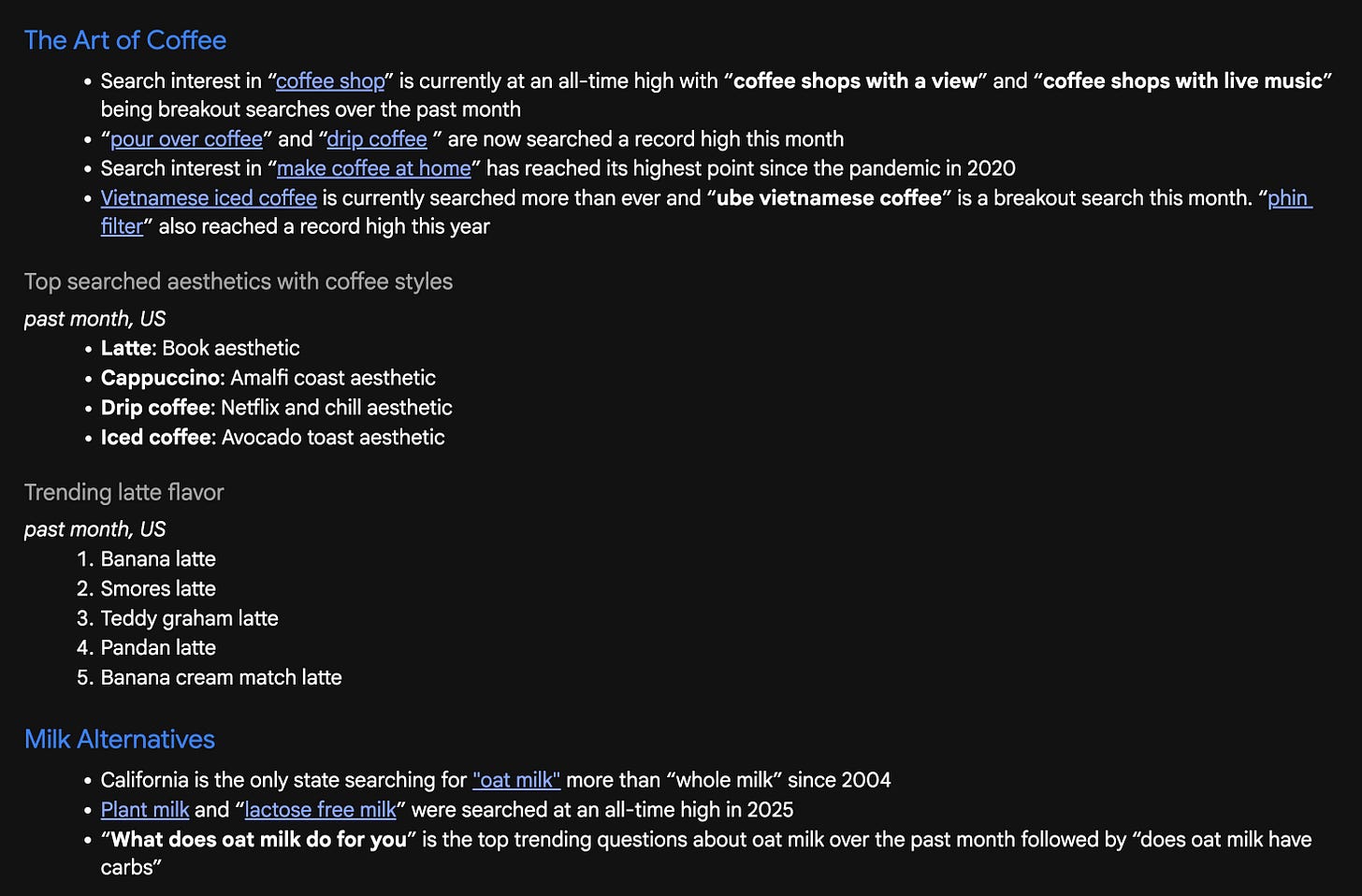 ↗
A friend’s offer to order coffee produces an ambiguous reply: “half and half.” The misunderstanding sends Kefei into a reflection on writing, interpretation, and the space he leaves for readers to bring their own experience.
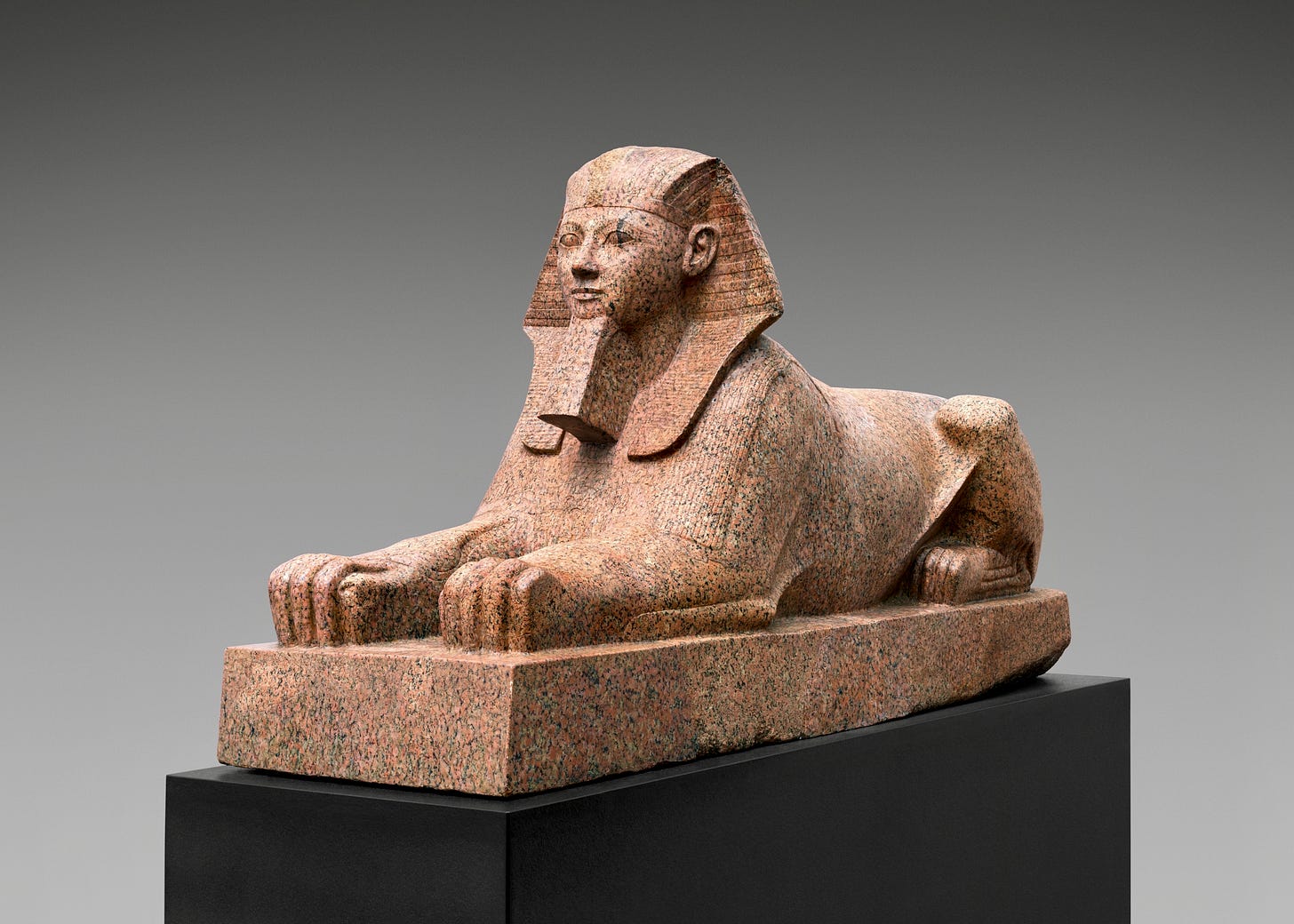 ↗
Returning to the Met after Egypt, Kefei finds a personal mirror in the reconstructed sculptures of Hatshepsut. His reading of their fragmentation and restoration leads to questions about belonging, unconventional leadership, and the pieces of identity that survive disruption.
 ↗
Tea, humid air, and a view from Jiufen slow Kefei into a different way of inhabiting the present. Comparing that experience with Shanghai, he uses geography as a metaphor for the difference between familiar roots and a changed inner posture.
 ↗
A narrow opening in a limestone wall at the Met draws Kefei toward a partially hidden statue of Kaemsenu. The effort of slowing down and looking closely turns an ordinary museum visit into a meditation on presence.
 ↗
Kefei arrives in Egypt with familiar images and an implicit checklist, then finds those expectations complicated by his guide’s layered stories. The idea of a palimpsest gives him a way to understand a place whose earlier traces remain within later chapters.
 ↗
A crowded Egypt itinerary leaves Kefei moving through extraordinary places without always feeling that he has arrived. At Karnak and in the Valley of the Kings, pausing changes his relationship with the journey.
 ↗
This NotebookLM discussion transcript revisits the ten themes of Kefei’s Egypt reflections in a conversational format. It moves through renewal, presence, curiosity, legacy, resilience, relationships, self-reflection, individuality, physical well-being, and play.
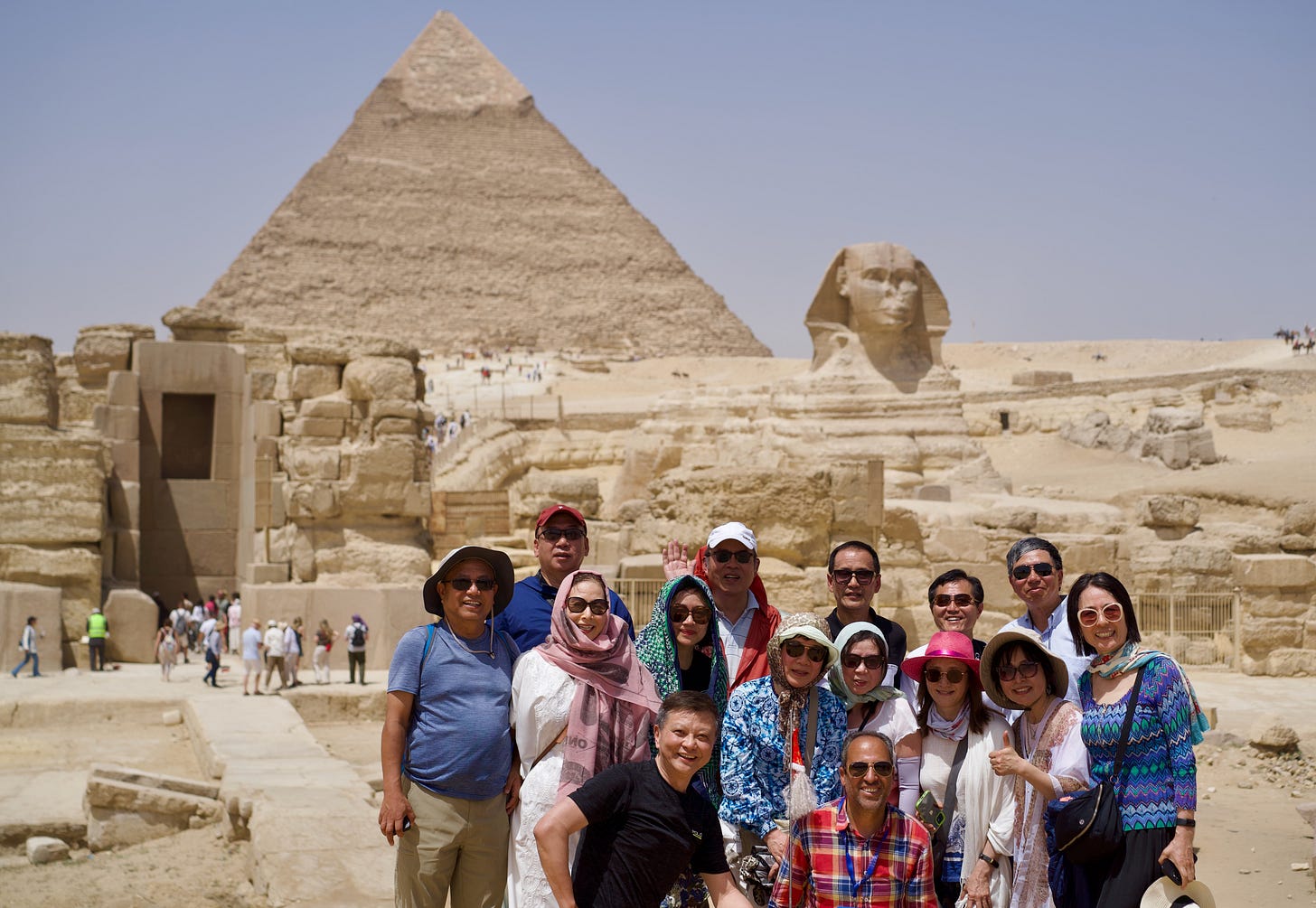 ↗
After an exhausting journey through Cairo, Aswan, and Luxor, Kefei considers why a trip can matter even when it offers little rest. Early departures, ancient monuments, and shared moments along the Nile become ten reflections on curiosity, legacy, connection, and renewal.
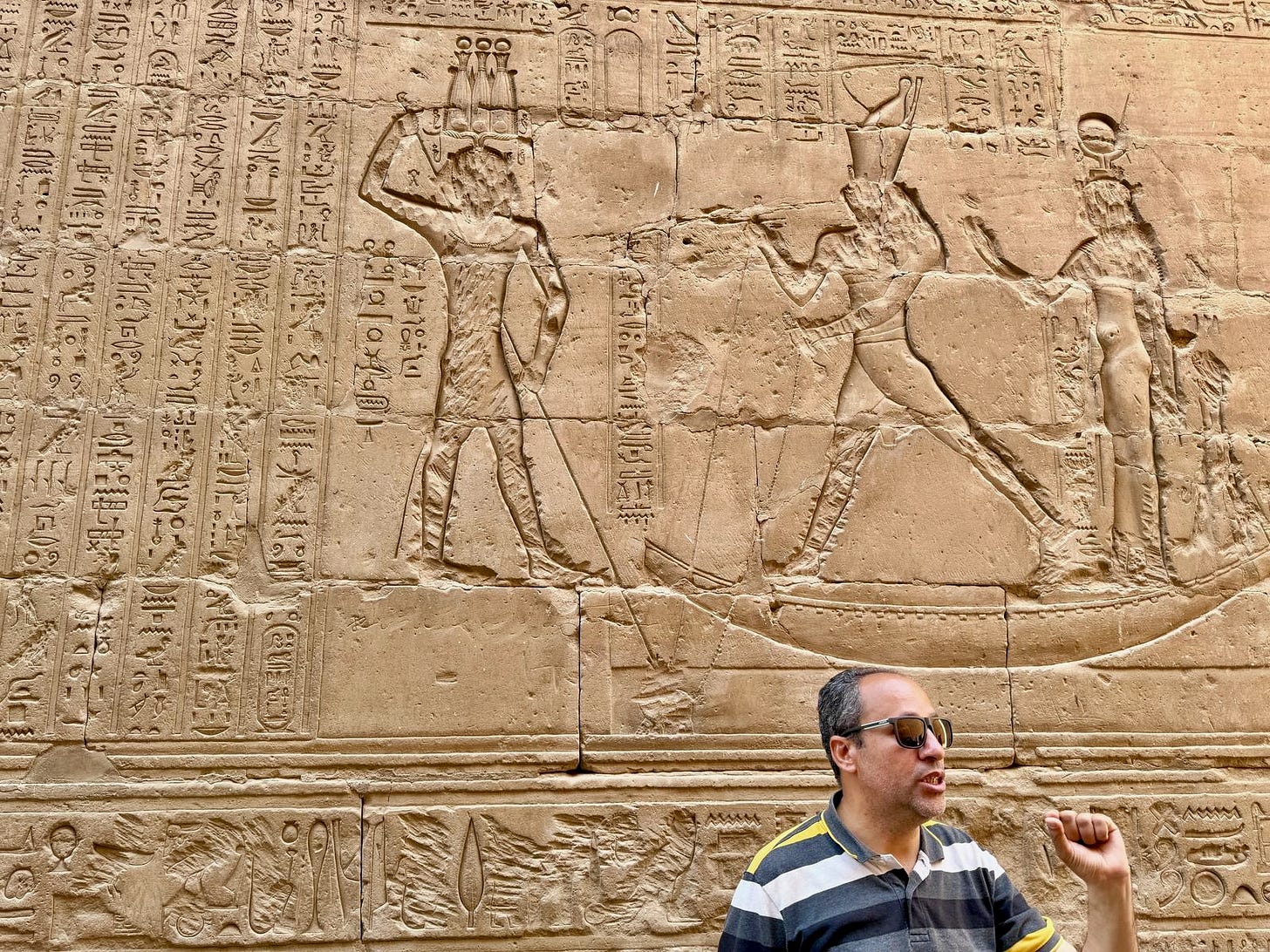 ↗
An Easter lecture aboard a Nile cruise draws Kefei's recent reflections on mortality, monuments, and the Suez Canal into one conversation. Egyptian myths of loss and reassembly become a lens for thinking about how people give suffering and continuity meaning.
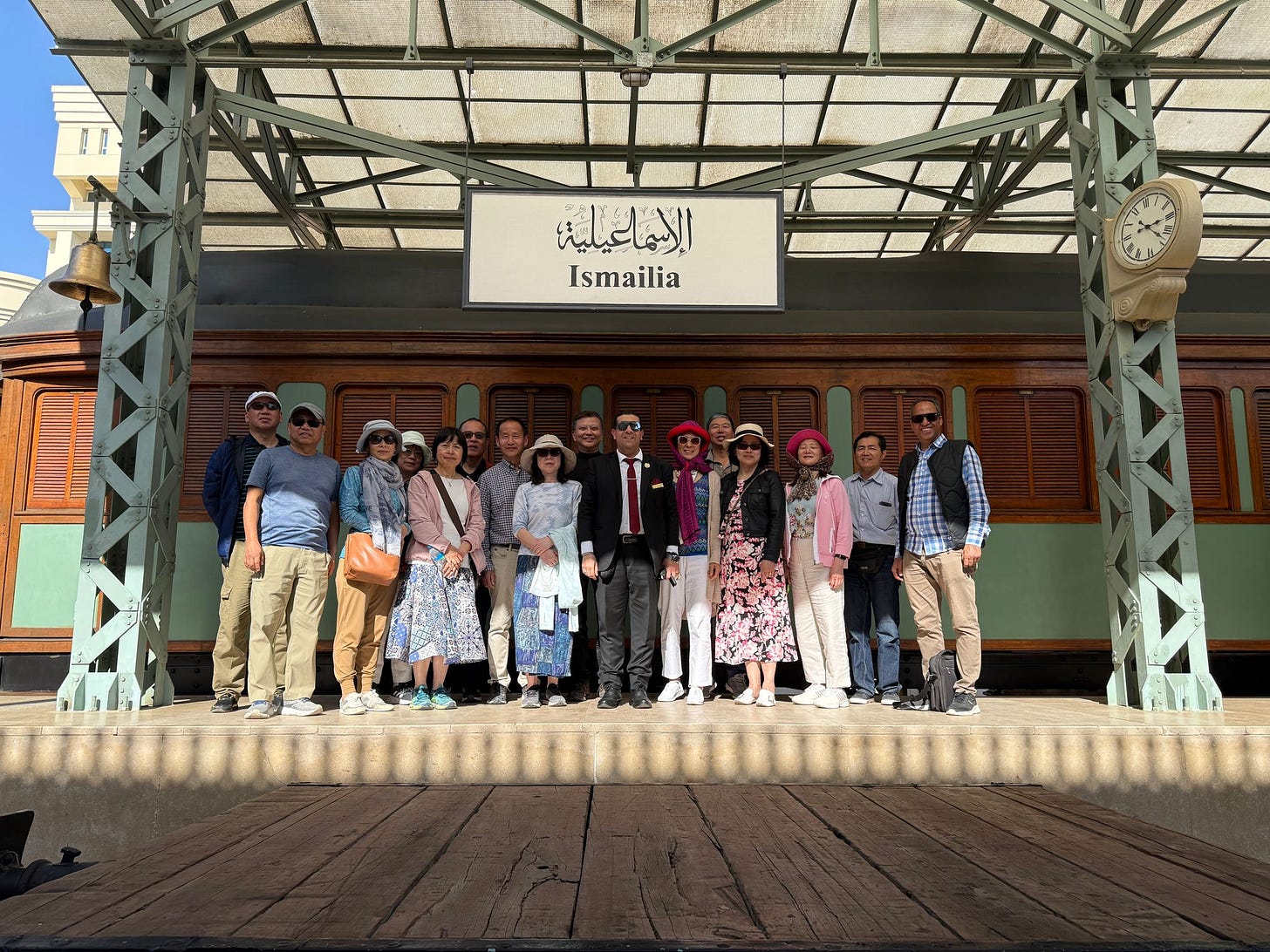 ↗
A visit to the Suez Canal Museum prompts Kefei to examine who receives credit for an ambitious undertaking. The missing statue of Ferdinand de Lesseps and a curator's passionate account bring labor, national identity, and competing historical narratives into view.
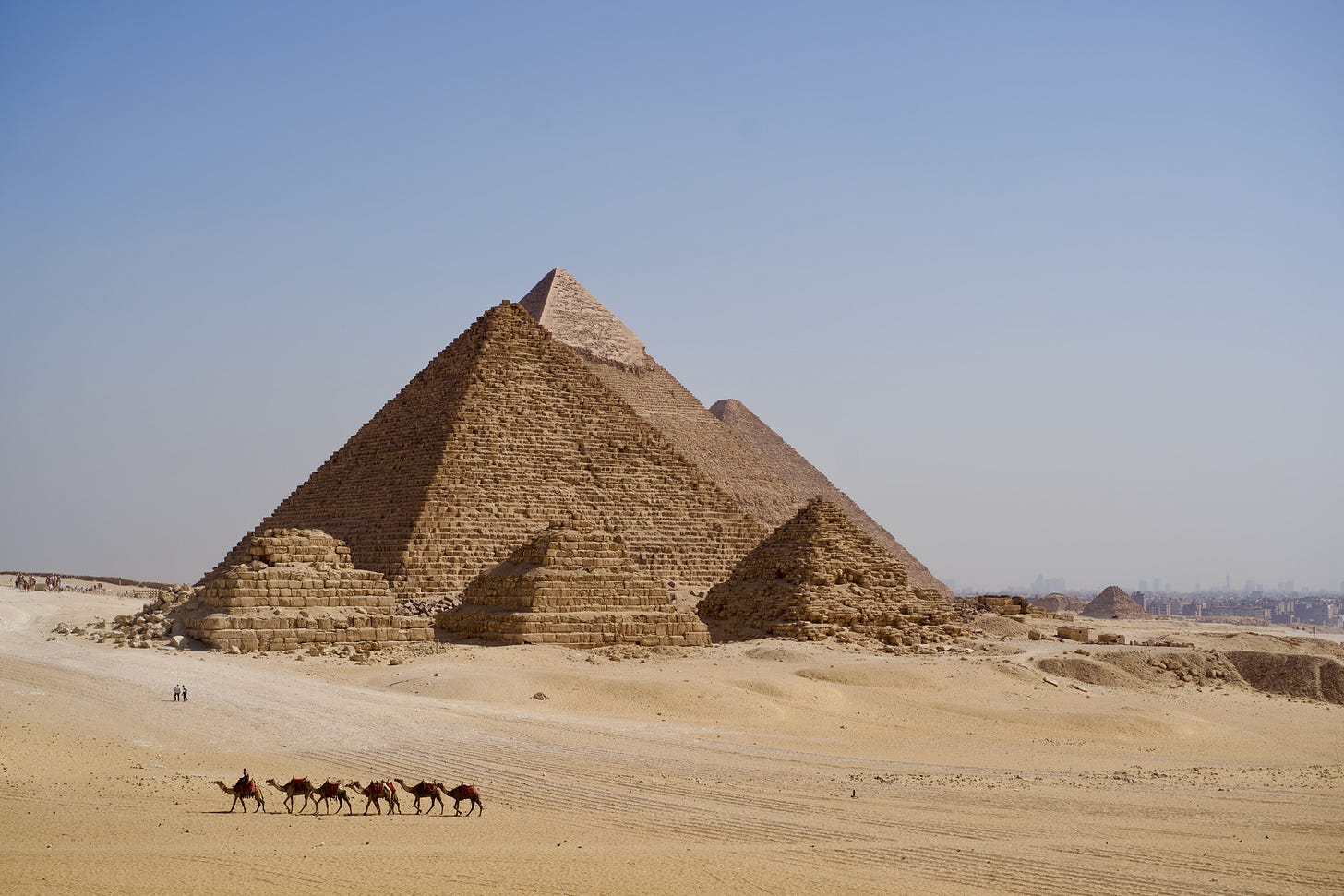 ↗
Standing before the Great Pyramid, Kefei reads its geometry through both engineering and mortality. The monument becomes a way to consider why people devote finite lives to work they hope will outlast them.
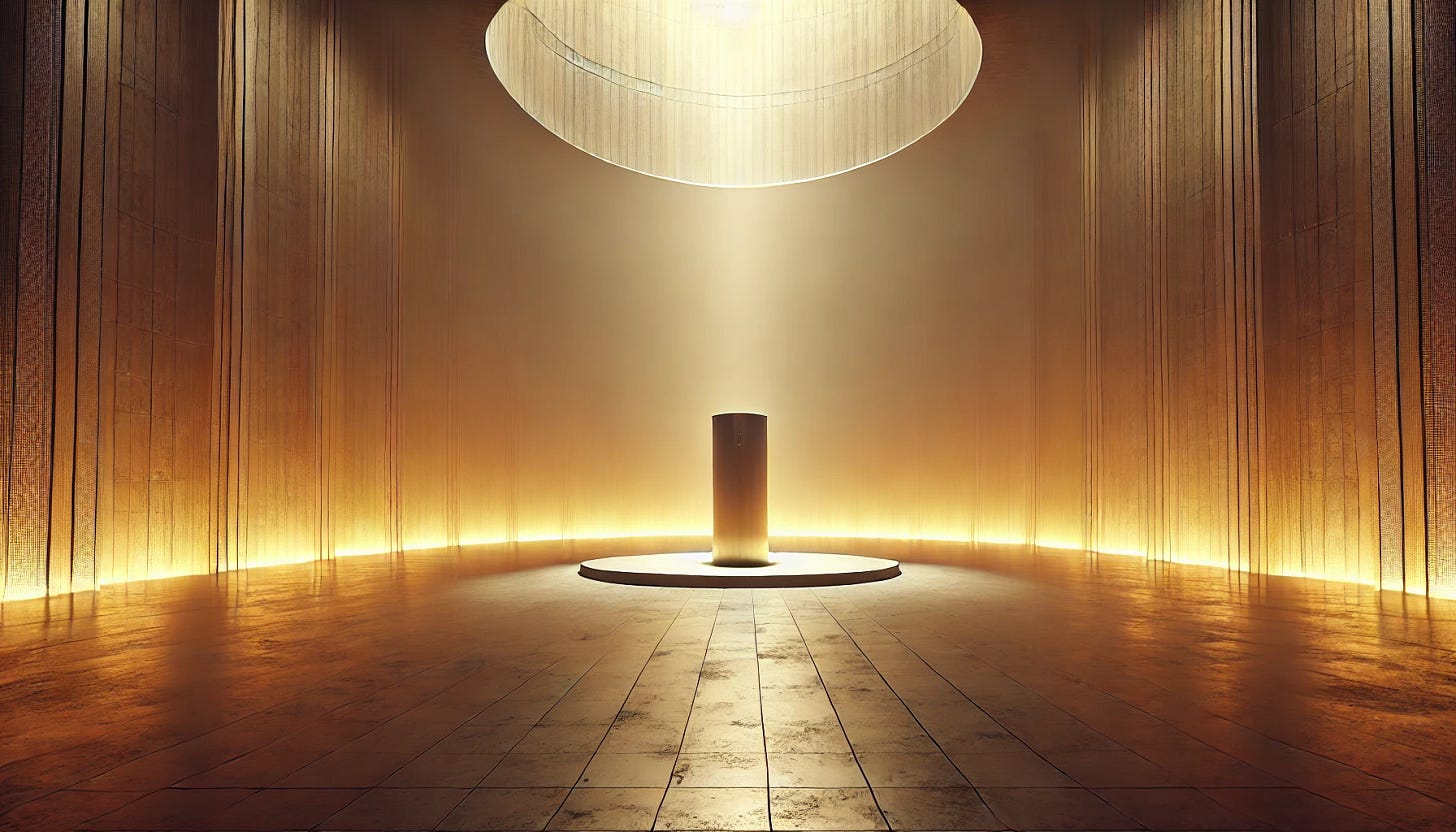 ↗
The final chapter of Kefei's fictional odyssey brings his imagined companions, Leonardo da Vinci and Jean-Paul Sartre, to the last chamber of a mysterious tower. A glowing artifact offers each traveler a separate doorway after their shared trials.
 ↗
Chapters eight through fourteen continue Kefei's fictional journey with imagined versions of Leonardo da Vinci and Jean-Paul Sartre. Following an artifact through hidden chambers and surreal landscapes, the trio confronts younger selves, distorted reflections, and tests of cooperation.
 ↗
In the opening seven chapters of this fictional adventure, a mysterious object found in Central Park brings imagined versions of Leonardo da Vinci and Jean-Paul Sartre into Kefei's apartment. Their explorations of New York turn coffee, architecture, and city noise into arguments about action and reflection.
 ↗
This announcement introduces Kefei's first fiction project, The Trio's Odyssey: NY and Beyond. An earlier imagined café discussion develops into a serialized adventure featuring Leonardo da Vinci, Jean-Paul Sartre, a mysterious artifact, and a narrator trying to reconcile their competing impulses.
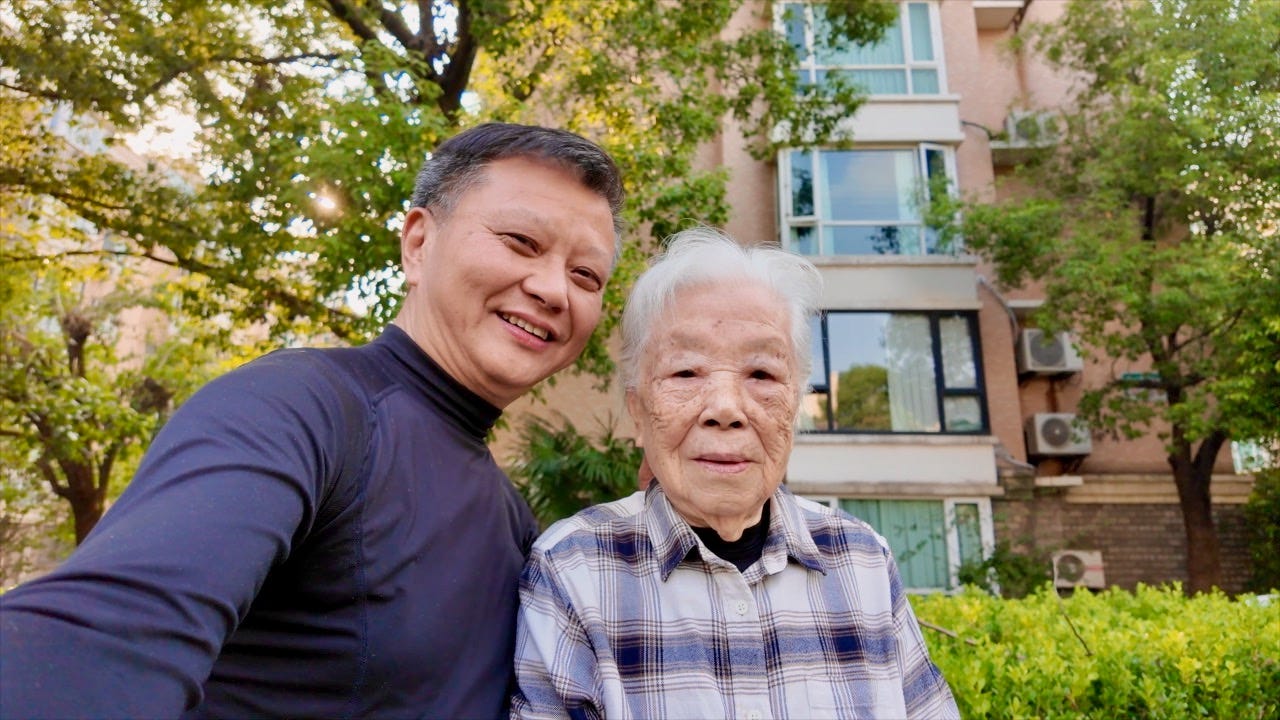 ↗
Watching Blossoms Shanghai with his mother prompts Kefei to revisit the life he left in 1990 and the identities he developed afterward. The drama's fictional protagonist becomes a mirror for questions about language, belonging, ambition, and emotional connection.
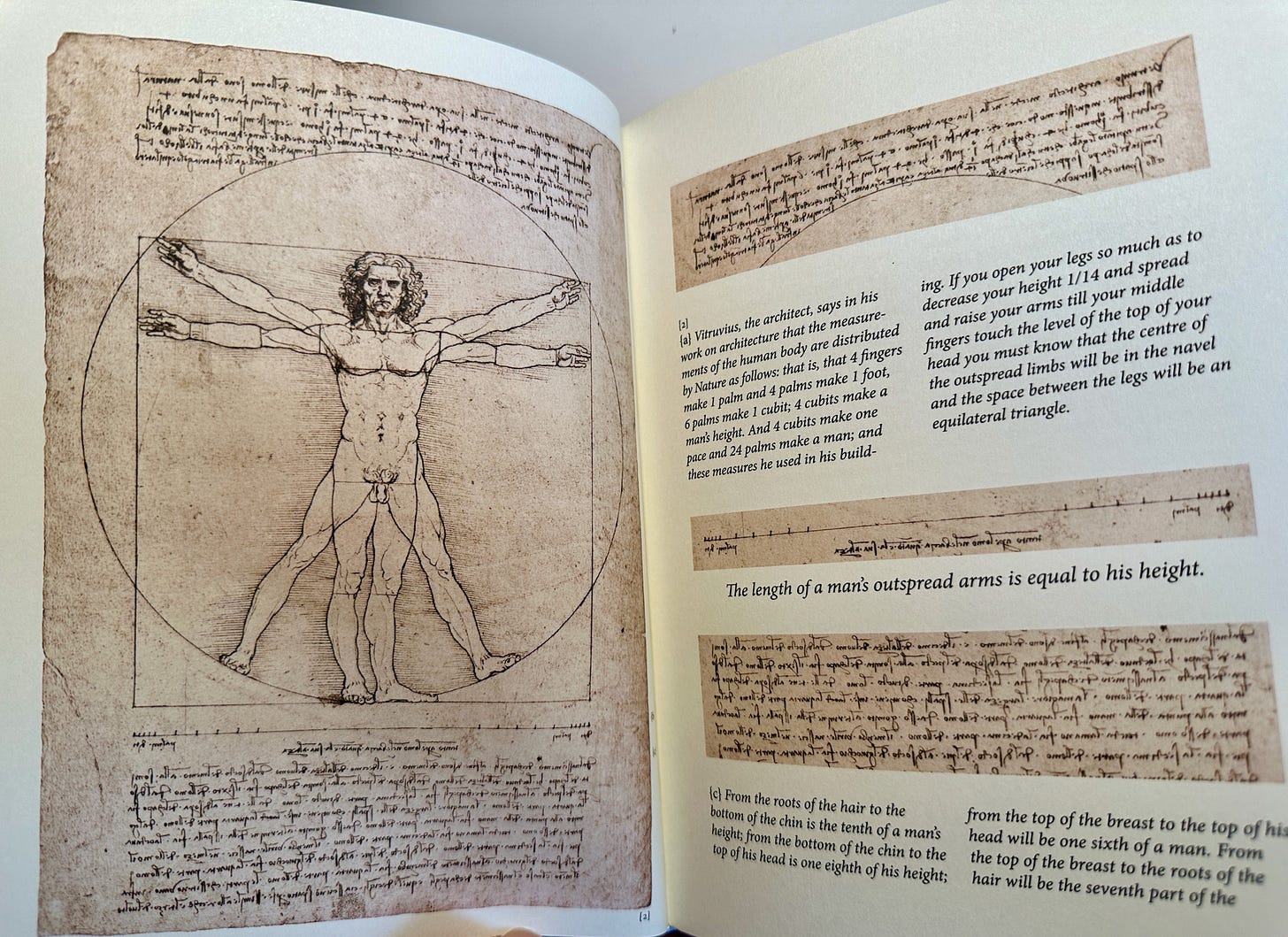 ↗
Kefei stages an imaginary conversation with Leonardo da Vinci while walking through New York. The fictional exchange connects exercise, neighborhood observation, and writing to a question running through retirement: how do daily actions shape a sense of self?
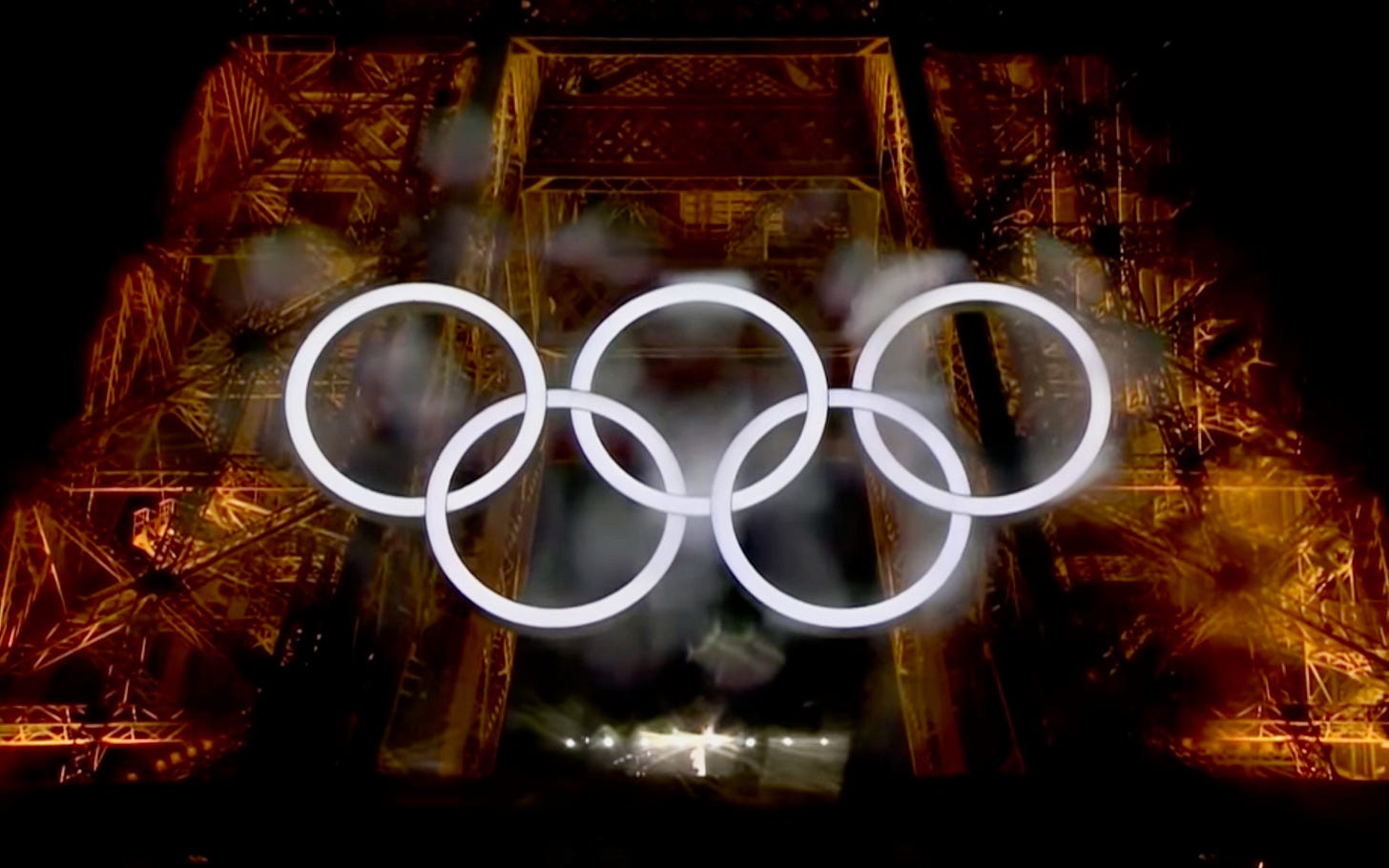 ↗
Watching a replay of the Paris 2024 Olympic opening ceremony, Kefei is moved by the rain, the rooftop torchbearer, and Celine Dion's performance. He reads these images as reminders of perseverance, shared effort, and the emotional force of a public celebration.
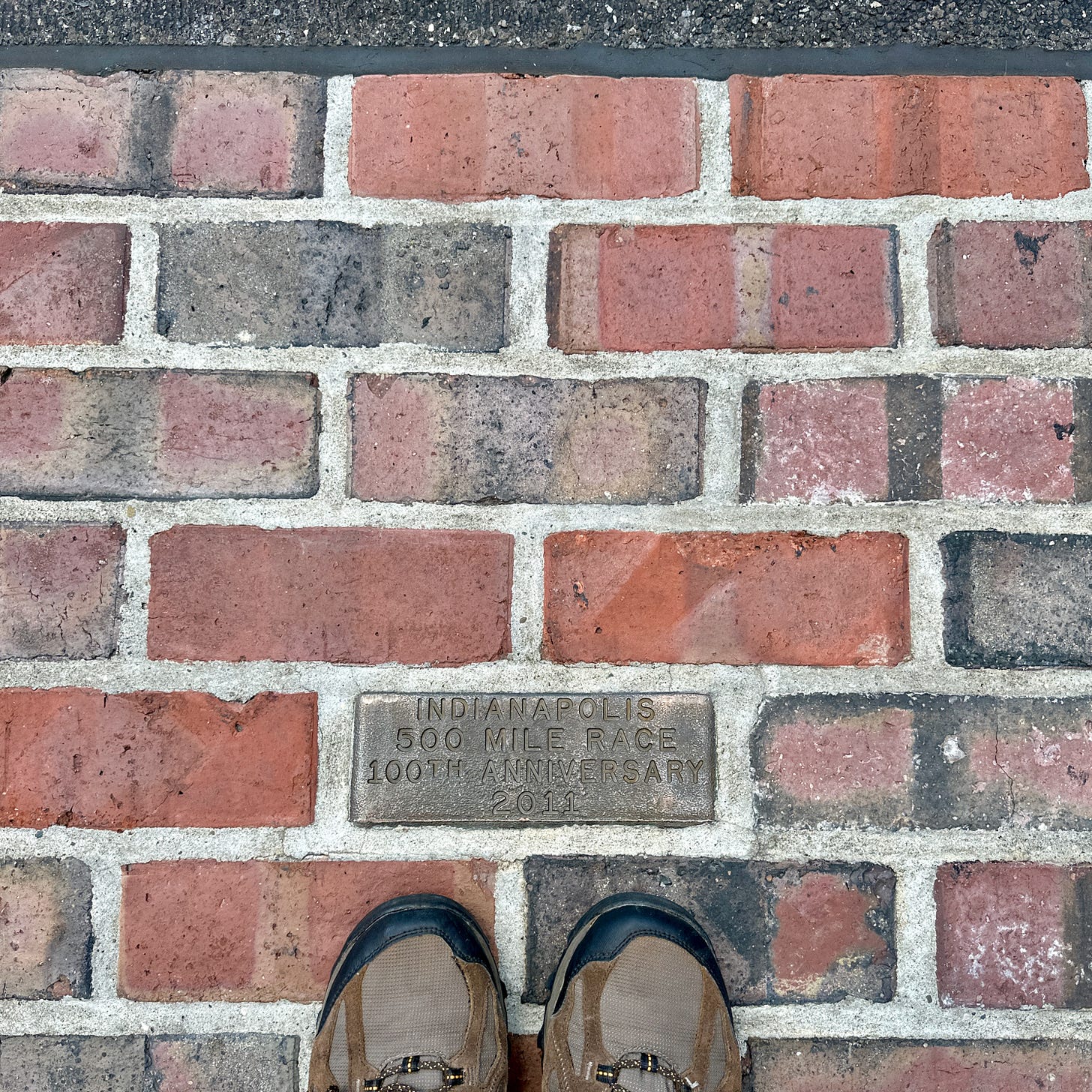 ↗
Kefei begins the day with a tour of the Indianapolis Motor Speedway before driving to Columbus and exploring Ohio State University. The itinerary places racing history beside campus life, athletic facilities, and the quieter pace of a summer visit.
 ↗
After a long drive to Indianapolis, Kefei and his wife explore downtown landmarks and enjoy a familiar Chinese meal. The city's sporting associations bring back memories of Reggie Miller and the professional chapter Kefei was living during those basketball years.
LET’S KEEP THE CONVERSATION GOING
New essays on work, family, travel, and the continuing art of becoming.
A thoughtful pause, delivered to your inbox.